

Tesla is the company that changed how the world thinks about electric cars. Twenty years ago many people believed electric cars would always be slow, expensive and limited. Today Tesla sells millions of vehicles, runs one of the biggest battery businesses in the world and is trying to build self-driving taxis and humanoid robots.
This guide explains Tesla step by step: how it started, which products shaped it, where it stands in late 2026 and what may come next. You do not need any technical background to follow it.
The beginning, 2003 to 2012
Tesla Motors was founded in July 2003 by engineers Martin Eberhard and Marc Tarpenning. Elon Musk joined in 2004 as the biggest investor and chairman, and he became chief executive in 2008. The goal was simple: prove that an electric car could be exciting, not just economical.
The first car, the Roadster, arrived in 2008. It was a two-seat sports car powered by thousands of small lithium-ion battery cells, similar to the ones inside laptops, and it could travel more than 200 miles on one charge. Then came the Model S in 2012, a family sedan that showed a luxury electric car could compete with the best petrol cars. In the same year Tesla began building its own Supercharger network so owners could charge on long trips.
Tesla timeline at a glance
- 2003: Tesla Motors is founded.
- 2008: The Roadster goes on sale.
- 2012: Model S and the first Superchargers arrive.
- 2017: Model 3 deliveries begin.
- 2020: Model Y arrives.
- 2022: Gigafactories open in Berlin and Texas.
- 2023: The first Cybertrucks reach customers.
- 2025: Robotaxi service starts in Austin.
- 2026: Cybercab production begins in April.
Cars for more people, 2015 to 2023
The Model X SUV followed in 2015 and the more affordable Model 3 in 2017. Making the Model 3 in large numbers was painful, and Tesla nearly ran out of cash, but it survived. The Model Y arrived in 2020 and became one of the best-selling vehicles in the world.
To build so many cars, Tesla opened huge factories it calls Gigafactories: Nevada for batteries, Shanghai in 2019, and Berlin and Texas in 2022. The Cybertruck, with its stainless steel body, began reaching customers in late 2023.
More than cars: energy and software
Tesla also sells batteries for homes (Powerwall) and giant batteries for power grids (Megapack). This energy business matters because it stores solar and wind power for use when the sun is down or the wind is calm.
Software is the other big idea. Tesla cars receive over-the-air updates, so a car can gain new features while parked at home. Autopilot appeared in 2015, and the more advanced Full Self-Driving (FSD) system followed. The company calls it “Supervised” because the driver must still pay attention and stay responsible.
Where Tesla stands in late 2026
Tesla’s Robotaxi service began in Austin, Texas, in 2025. In April 2026 the company started producing the Cybercab, a small two-seat taxi with no steering wheel or pedals, at its Texas factory. Early production is slow on purpose, because a brand-new vehicle design takes time to get right. Passenger rides in Cybercabs began in Austin in early September 2026, and Tesla has said Dallas is among the next cities.
On its third-quarter call in October 2026, Tesla reported about 1.7 million active FSD (Supervised) subscriptions. It also ended Model S and Model X production in 2026 to free factory space, said its Semi truck had started production, and showed a next-generation Roadster that is still in development.
Why Tesla matters beyond cars
Even people who never buy a Tesla feel its influence. Its success pushed almost every large carmaker to build electric models, and rivals such as BYD in China have at times sold more fully electric cars than Tesla itself. Competition has made batteries cheaper and charging faster for everyone.
There is a lesson for Nigeria and the wider region too. Electric cars need reliable electricity and charging points, and that is still a challenge in many places. Solar panels with home batteries, the type of product Tesla and others sell, may be an important part of the answer in future.
What could come next
Tesla’s main target is truly driverless driving: cars that need no human watching. The company has talked about allowing unsupervised FSD in customer cars inside Robotaxi areas during 2027. Another big bet is the Optimus humanoid robot, covered in our separate guide.
A fair reader should also remember that Elon Musk’s timelines often slip, and regulators, rivals such as Waymo and BYD, and safety questions will shape how fast things move. Treat promises as plans, not guarantees.
Key takeaways
- Tesla began in 2003, and Elon Musk joined in 2004 and became CEO in 2008.
- The Roadster, Model S, Model 3 and Model Y each opened the electric market to more buyers.
- Tesla also sells home and grid batteries and updates its cars over the air.
- In 2026 the Cybercab robotaxi entered production and began carrying passengers in Austin.
- Driverless claims are targets for 2027, so wait for real results before believing them.
Frequently asked questions
Is Full Self-Driving fully driverless?
No. The version sold to customers is called FSD (Supervised), which means the driver must watch the road and be ready to take over. Driverless rides are limited to Tesla’s Robotaxi service in selected areas.
Can I buy a Cybercab?
Not yet. At the time of writing, Cybercabs are being built for Tesla’s own Robotaxi network, not sold to the public.
Does Tesla sell cars in Nigeria?
As far as we know, Tesla has no official sales or service centre in Nigeria. Check Tesla’s website for the latest list of countries.
Keep reading
How SpaceX learned to land rockets, carry astronauts and build Starship, the biggest rocket ever flown.
How Tesla’s humanoid robot grew from a dancer in a suit to a factory plan, and what it still has to prove.
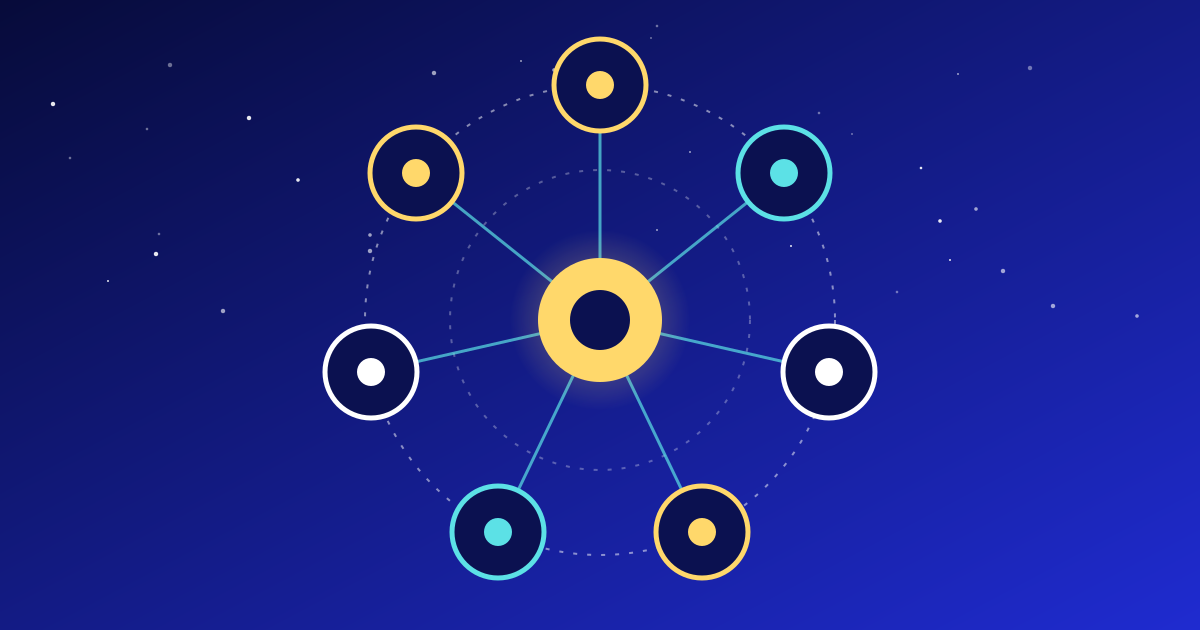
One simple map of Elon Musk’s businesses, from his first company to the 2026 SpaceX merger.
About this guide. Written by the Blessed Records Exclusive Entertainment editorial team from company announcements, regulator figures and news reports, with facts checked up to 2 November 2026. Technology news moves fast, so some details may change. If you spot a mistake, please contact us. This guide is for information only and is not financial or investment advice.