

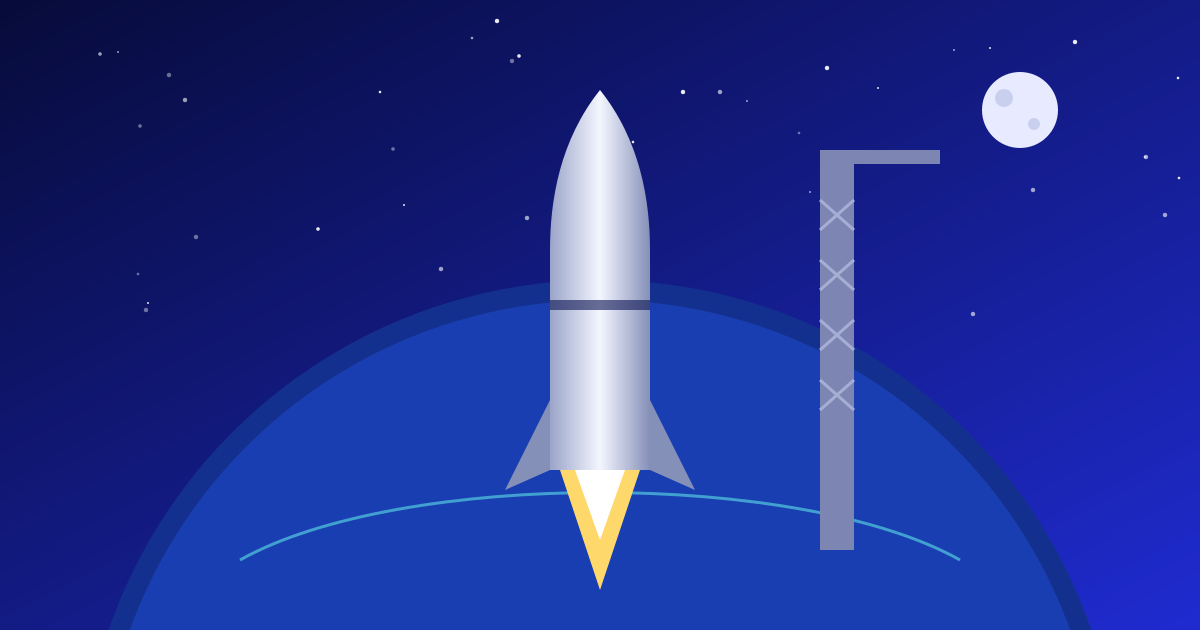
For most of the space age, rockets were thrown away after one flight, like a plane that is scrapped after landing. SpaceX set out to change that. By reusing rockets, it has cut the cost of reaching orbit and turned a government-style industry into a fast-moving business.
This guide covers the early failures, the big breakthroughs, the Starship rocket and the major changes of 2026, including SpaceX’s joining with xAI and its arrival on the stock market.
The early years, 2002 to 2010
Elon Musk founded SpaceX in 2002 with a bold aim: make space travel cheaper and one day help people live on Mars. The first rocket, Falcon 1, failed on its first three launches and the company almost ran out of money. On the fourth try, in September 2008, Falcon 1 reached orbit and became the first privately built liquid-fuel rocket to do so.
That success won a NASA contract. The larger Falcon 9 first flew in 2010, and in 2012 SpaceX’s Dragon capsule became the first commercial spacecraft to reach the International Space Station.
SpaceX timeline at a glance
- 2002: SpaceX is founded.
- 2008: Falcon 1 reaches orbit on its fourth attempt.
- 2010: Falcon 9 flies for the first time.
- 2012: Dragon docks with the International Space Station.
- 2015: A Falcon 9 booster lands upright for the first time.
- 2018: Falcon Heavy launches.
- 2020: Crew Dragon carries NASA astronauts.
- 2023: The first Starship test flight.
- 2026: xAI merger in February, Starship V3 flight on 22 May and the Nasdaq listing in June.
Landing rockets, 2015 to 2020
In December 2015 a Falcon 9 booster flew back and landed upright on the ground after launching satellites. Soon boosters were landing on floating platforms at sea, and the same boosters flew again and again. In 2018 the Falcon Heavy flew, famously carrying a Tesla Roadster into space.
In May 2020 a Crew Dragon carried two NASA astronauts to the space station, the first crewed orbital launch from American soil since the Space Shuttle retired in 2011. By early August 2026, Falcon 9 had already passed 90 launches for the year.
Starship, the giant rocket
Starship is a fully reusable system made of two parts: a huge booster called Super Heavy and an upper stage, also called Starship. It is designed to carry around 100 tonnes or more to low Earth orbit and to be caught and reused. Test flights began in April 2023, and many ended in explosions, which SpaceX treats as lessons.
On 22 May 2026, Flight 12 launched the upgraded Version 3, about 124 metres tall with new Raptor 3 engines, from a new launch pad at Starbase in Texas. Tests have continued since. Starship still has major jobs to prove: routine reuse and refuelling in orbit, which NASA needs if Starship is to land astronauts on the Moon for the Artemis programme.
Starlink and the money side
Starlink, the satellite internet service, now brings in much of SpaceX’s income and has its own guide on this site. In February 2026 SpaceX bought Elon Musk’s artificial intelligence company xAI, which also owns the social platform X, in an all-share deal.
In June 2026 SpaceX listed on the Nasdaq stock exchange under the symbol SPCX. Reports said it raised about 75 billion US dollars, the largest share sale ever. Share prices rise and fall daily, so this guide does not quote one.
Why SpaceX matters to everyday life
Cheaper launches make satellites cheaper, and satellites help with weather forecasts, navigation, farming, mapping and communication. When launch prices fall, more countries and universities can afford their own space projects.
Nigeria’s space agency, NASRDA, has operated satellites since NigeriaSat-1 launched in 2003. Lower launch costs could make similar projects easier to afford. SpaceX also faces growing competition from companies such as Blue Origin and Rocket Lab, and from state-backed programmes in China, which should help keep prices falling.
What comes next
SpaceX’s plans include moving more of its launches to Starship, launching larger Starlink satellites on it, testing refuelling in orbit and supporting NASA’s Moon landings. Landing people on Mars remains Elon Musk’s long-term goal, but no date is firm, and past dates have moved many times.
Safety, regulation and the Texas coast’s environment will keep shaping the pace. The honest summary is that SpaceX has already done what many experts thought impossible with Falcon 9, while Starship is still a work in progress.
Key takeaways
- SpaceX was founded in 2002 and reached orbit with Falcon 1 on its fourth try in 2008.
- Falcon 9 booster landings made rockets reusable and cut launch costs.
- Crew Dragon has carried NASA astronauts since May 2020.
- Starship V3 first flew on 22 May 2026, but orbital refuelling is still to be proven.
- SpaceX joined with xAI in February 2026 and listed on Nasdaq in June 2026.
Frequently asked questions
Why does SpaceX land its rockets?
Landing lets the expensive booster fly again, like reusing an aircraft, which lowers the cost of every launch.
Has Starship reached the Moon or Mars?
No. Starship is still in testing. It must prove orbital refuelling before it can serve as a Moon lander, and Mars flights are a longer-term goal.
Can ordinary people buy SpaceX shares?
Since June 2026 SpaceX has been listed on the Nasdaq under SPCX, so shares can be traded through brokers that offer US markets. This is information, not financial advice.
Keep reading
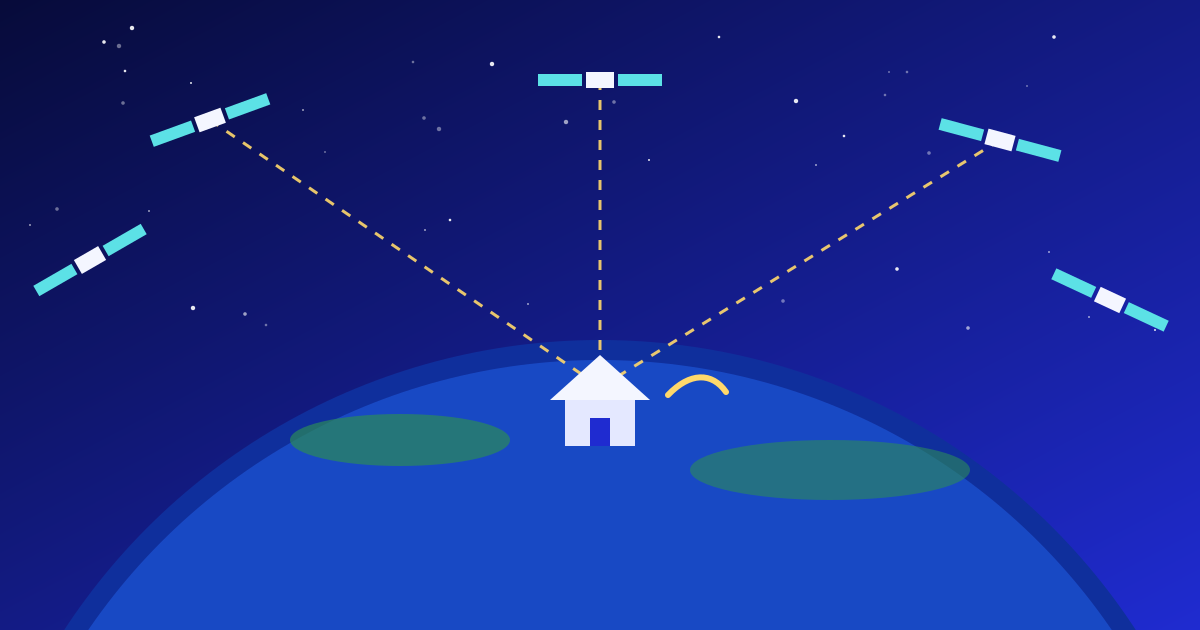
How Starlink’s satellites work, how many people use them, and what they mean for Nigeria’s homes and villages.
The story of Grok, the Colossus supercomputers and how Elon Musk’s AI company became part of SpaceX.

One simple map of Elon Musk’s businesses, from his first company to the 2026 SpaceX merger.
About this guide. Written by the Blessed Records Exclusive Entertainment editorial team from company announcements, regulator figures and news reports, with facts checked up to 2 November 2026. Technology news moves fast, so some details may change. If you spot a mistake, please contact us. This guide is for information only and is not financial or investment advice.