
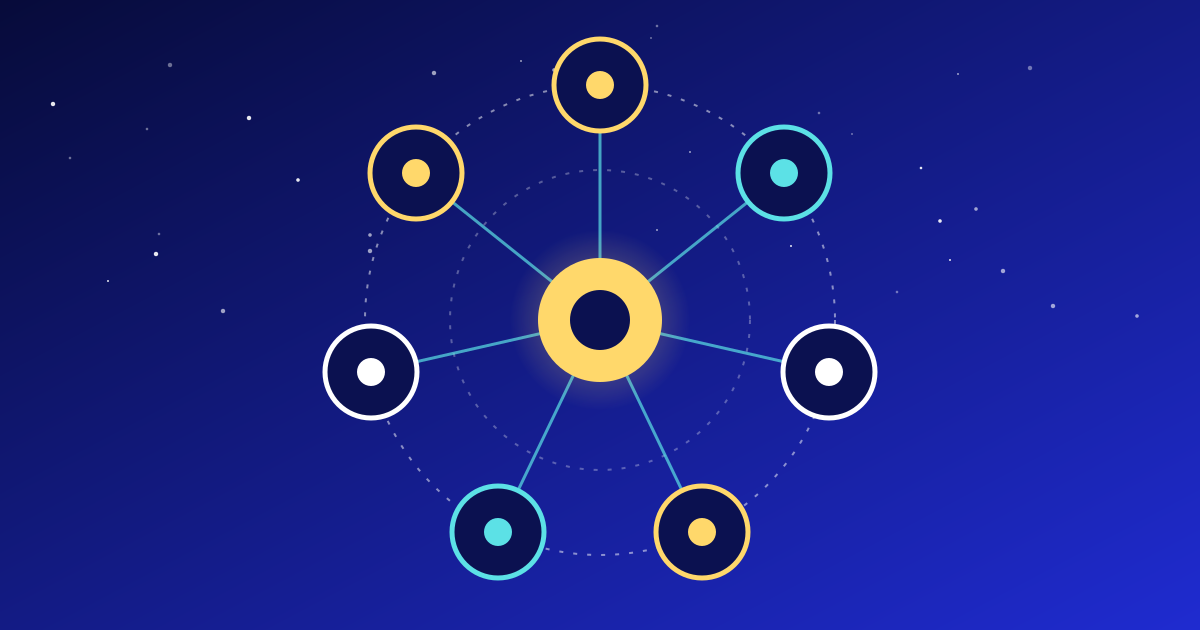
Elon Musk is linked to rockets, electric cars, brain implants, tunnels, social media and artificial intelligence. It can be hard to keep track of who owns what. This guide gives you a simple map of his companies and how they fit together as of November 2026.
It also explains the common ideas behind them, and the risks that come with one person leading so many projects.
The early businesses
Musk was born in Pretoria, South Africa, in 1971 and moved to North America as a young man. In 1995 he and his brother Kimbal started Zip2, an online business directory and maps service for newspapers. Compaq bought it in 1999.
Musk then co-founded X.com, an online bank that merged with another start-up and became PayPal. In 2002 eBay bought PayPal for about 1.5 billion dollars, and Musk used his share to start SpaceX and then invest in Tesla.
Timeline of Elon Musk’s businesses
- 1995: Zip2 is started.
- 1999: Zip2 is sold, and X.com begins.
- 2002: eBay buys PayPal, and SpaceX is founded.
- 2004: Musk invests in Tesla and becomes chairman.
- 2015: OpenAI is co-founded.
- 2016: Neuralink and The Boring Company begin.
- 2022: Musk buys Twitter.
- 2023: Twitter is renamed X, and xAI launches.
- 2025–2026: xAI buys X, SpaceX buys xAI, and SpaceX lists on Nasdaq.
The company map
- SpaceX (2002): rockets, the Dragon spacecraft, Starship and Starlink internet. Since February 2026 it also owns xAI and X.
- Tesla (joined 2004): electric cars, batteries, self-driving and the Optimus robot. It is a separate listed company.
- Neuralink (2016): brain-computer implants.
- The Boring Company (2016): tunnels and the Loop.
- X (bought 2022): the social platform formerly called Twitter, renamed in 2023.
- xAI (2023): the Grok chatbot, now SpaceXAI inside SpaceX.
- OpenAI (2015): Musk was a co-founder and left the board in 2018. It is not one of his companies today.
The big 2026 changes
The biggest recent change is the merger of businesses. In March 2025 xAI bought X. In February 2026 SpaceX bought xAI, creating one company with space, AI and social media. In June 2026 SpaceX listed on the Nasdaq under SPCX, raising about 75 billion dollars, the largest share sale on record.
Tesla remains separate, but news reports and investors have often discussed whether Tesla and SpaceX could one day be joined. No such deal had been announced at the time of writing.
What ties them together
Many of the companies share the same building blocks: batteries, powerful chips, AI software and low-cost manufacturing. Starship could cut the cost of launching satellites, Starlink gives global reach, AI trained on X posts and engineering data could power Grok, and Tesla’s factories build the robots and cars.
Musk describes the goal as a future with abundant energy, clean transport and humans living beyond Earth. Whether or not you agree, the pieces are designed to support one another.
A simple example: a Starship launch can place Starlink satellites in orbit, Starlink can connect remote users to the internet, and AI running on that data can improve products from cars to robots. Each company can then sell to the others, which saves money but also ties their fortunes together.
How to follow these companies safely
For reliable news, use official company blogs, regulator announcements and stock market filings, and compare more than one trusted news source. Treat social media predictions as opinions.
Be very careful with scams that use Elon Musk’s name. Fake giveaways, crypto “doubling” offers and fake investment groups appear all the time, including in Nigeria. A real company never asks you to send money first to receive more back.
Risks and fair criticism
Having one person run several giant companies raises questions about attention, conflicts of interest and governance. Musk’s predictions about dates, such as driverless cars or Mars, have often been late. Social media moderation, AI misuse and political controversy have also drawn heavy criticism.
On the other side, SpaceX and Tesla have delivered results that changed their industries. A balanced reader should look at what has been delivered, not only at what has been promised.
Key takeaways
- Musk’s first company was Zip2, and PayPal gave him the money to start SpaceX.
- SpaceX now owns xAI and X, and listed on Nasdaq in June 2026.
- Tesla, Neuralink and The Boring Company remain separate businesses.
- Batteries, chips, AI and manufacturing link the companies together.
- Delivered results matter more than predictions.
Frequently asked questions
Does Elon Musk own OpenAI?
No. He co-founded it in 2015 and left the board in 2018. OpenAI is a separate company.
Is Tesla part of SpaceX?
No. Tesla is a separate public company, although the two are often discussed together.
What is the difference between X and xAI?
X is the social platform. xAI is the AI company behind Grok. Both now sit inside SpaceX.
Keep reading
How SpaceX learned to land rockets, carry astronauts and build Starship, the biggest rocket ever flown.
From a two-seat electric sports car to self-driving taxis and factories full of robots: the full Tesla story in plain language.
The story of Grok, the Colossus supercomputers and how Elon Musk’s AI company became part of SpaceX.
About this guide. Written by the Blessed Records Exclusive Entertainment editorial team from company announcements, regulator figures and news reports, with facts checked up to 2 November 2026. Technology news moves fast, so some details may change. If you spot a mistake, please contact us. This guide is for information only and is not financial or investment advice.