

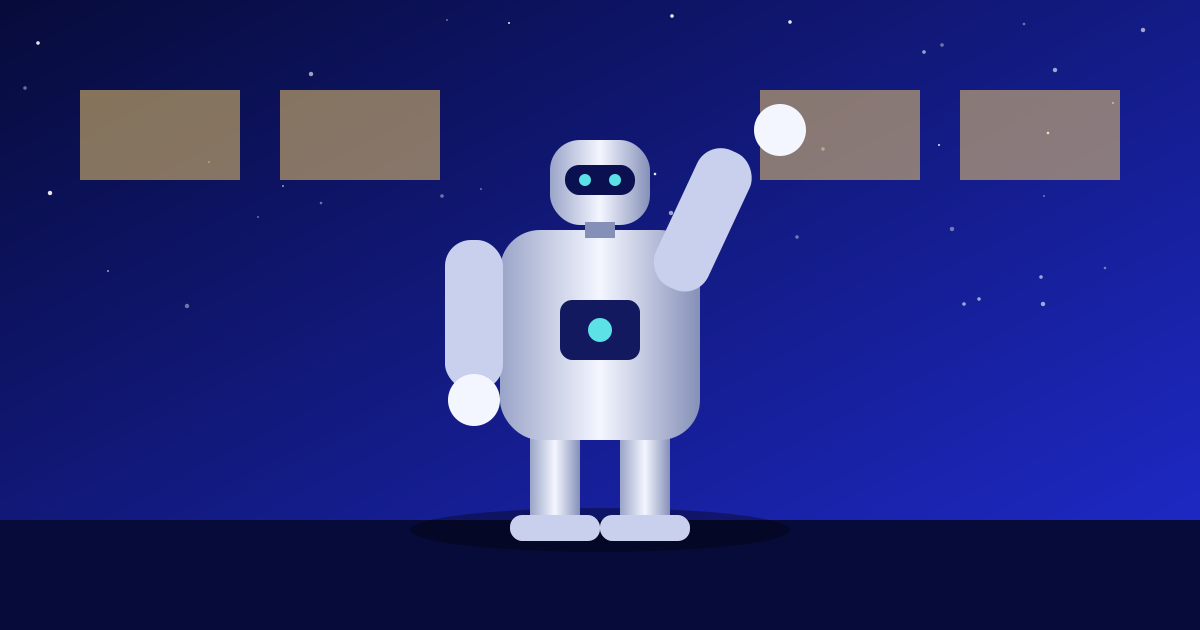
A humanoid robot has a body shaped like ours: a head, two arms, two hands and two legs. The idea is that such a robot can use tools, rooms and factories built for people without changing them. Tesla’s version is called Optimus, and Elon Musk has said it could become the company’s most valuable product.
This guide explains where Optimus came from, what it can and cannot do, and what Tesla says about building it in large numbers.
From joke to prototype
Tesla first announced the robot, then called Tesla Bot, at its AI Day in August 2021. A person in a robot costume danced on stage, and many viewers laughed. A year later, in 2022, Tesla showed a rough working prototype that could walk slowly and wave.
Progress was faster after that. Optimus Gen 2, shown in December 2023, walked more smoothly, had better hands and could handle delicate objects such as an egg. Videos in 2024 and 2025 showed it sorting parts and doing simple chores, though reports said some demonstrations used remote human assistance.
Optimus timeline at a glance
- August 2021: Tesla announces the robot.
- September 2022: The first working prototype is shown.
- December 2023: Optimus Gen 2 is revealed.
- 2024 and 2025: Tesla shows more factory and household tasks.
- October 2026: Early production begins at Fremont.
- Late 2027: Outside sales are planned.
Why humanoid robots are hard
Walking is difficult for a machine because it must balance constantly on uneven floors. Hands are even harder. A human hand has many joints, a delicate sense of touch and fine control, and copying that with motors and wires is one of the toughest problems in robotics.
The robot also needs a “brain” that understands the world. Tesla plans to use the same type of vision-based AI it built for self-driving cars, and to teach Optimus by showing it videos of people doing tasks.
Where Optimus stands in late 2026
On its third-quarter call in October 2026, Tesla said it had begun early production of Optimus on a high-volume line at its Fremont factory in California, space freed after Model S and Model X production ended. Musk talked about a goal of about 20,000 robots a week roughly a year away, and a second factory in Texas is planned. Tesla expects to sell robots to outside companies from late 2027.
Musk had earlier warned that production would start “agonisingly slow” before rising. A new version, known as V3, has been in preparation. Targets are not results, and readers should wait for independent proof of how many robots actually work.
The competition
Tesla is not alone. Figure AI and Agility Robotics in the United States, Boston Dynamics with its Atlas robot, 1X in Norway and Unitree in China all build humanoid or walking robots. Chinese companies in particular are racing to make low-cost machines.
Competition could bring prices down faster, but it also means Tesla’s advantage will depend on factory skill and AI quality, not just on a famous name.
What Optimus needs to succeed
Several things must come together. The robot must be safe around people, work for a full shift on a battery, rarely break, and do useful jobs faster or cheaper than the alternatives. Elon Musk has said he hopes it could eventually cost roughly 20,000 to 30,000 US dollars when made in large numbers, but that is a goal, not a price list.
Factories will be the first test. If a robot can reliably carry parts, load machines or sort items, companies will pay for it. Only after that is it likely to move into homes, where every room, pet and child makes the task harder.
What it could mean for jobs and daily life
If humanoid robots become cheap and reliable, they could do dangerous, boring or heavy tasks in factories, warehouses and later homes. Elon Musk has spoken about robots helping with chores and care.
That raises important questions about jobs, training and who benefits. Experts suggest the first real uses will be narrow tasks in controlled places such as factories, long before a robot makes your breakfast.
Key takeaways
- Tesla announced its robot in 2021, and the first working prototype appeared in 2022.
- Hands, balance and understanding the world are the hardest parts.
- In October 2026 Tesla reported early Optimus production at Fremont and planned outside sales from late 2027.
- Many companies in the United States and China are building humanoid robots too.
- Factory work will probably come before home helpers.
Frequently asked questions
Can I buy an Optimus robot now?
No. At the time of writing Tesla is starting production for its own use, and it expects outside sales from late 2027.
Is Optimus remote-controlled?
Some early demonstration videos used human remote control. Tesla says its goal is a robot that works on its own using AI.
Will robots take all jobs?
Experts do not expect that. Early robots will handle limited tasks, but jobs and training will still need careful planning.
Keep reading
From a two-seat electric sports car to self-driving taxis and factories full of robots: the full Tesla story in plain language.
The story of Grok, the Colossus supercomputers and how Elon Musk’s AI company became part of SpaceX.
How a chip in the brain lets people control computers by thought, and why Blindsight and safety questions matter.
About this guide. Written by the Blessed Records Exclusive Entertainment editorial team from company announcements, regulator figures and news reports, with facts checked up to 2 November 2026. Technology news moves fast, so some details may change. If you spot a mistake, please contact us. This guide is for information only and is not financial or investment advice.