

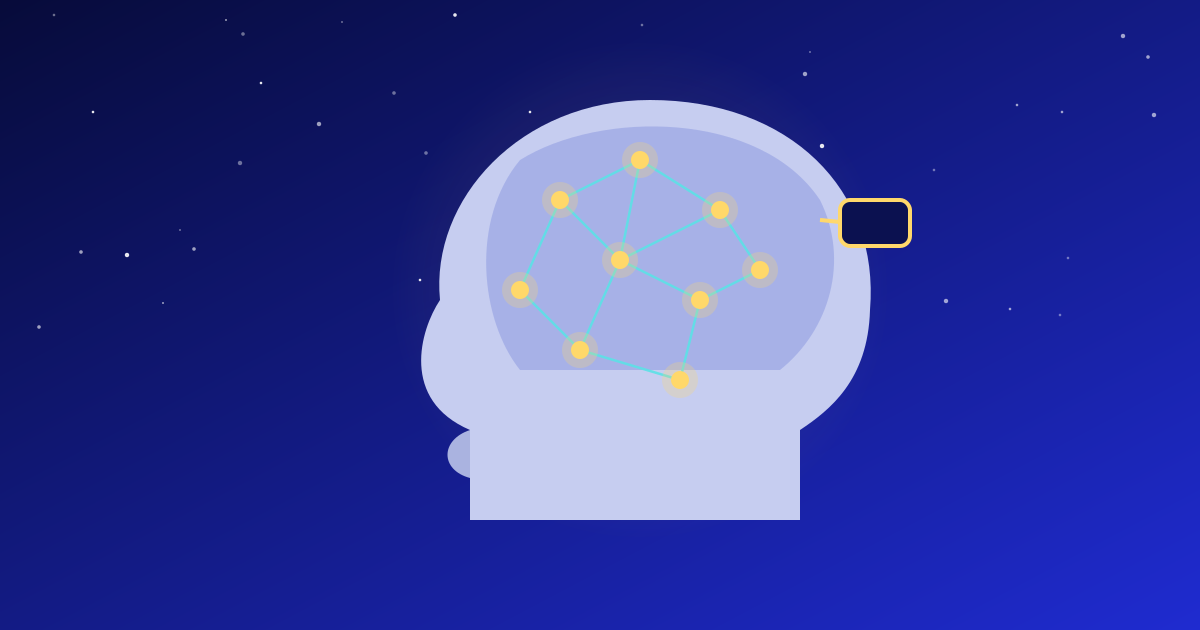
Imagine controlling a computer cursor, a phone or a wheelchair using only your thoughts. For people with spinal cord injuries or paralysis, that idea could be life-changing. It is the aim of Neuralink, a company Elon Musk co-founded in 2016.
This guide explains what a brain-computer interface is, how Neuralink’s device works, what has been achieved so far and what questions remain. Neuralink’s device is still experimental and is not on sale.
What is a brain-computer interface?
Your brain works through tiny electrical signals sent between billions of nerve cells. A brain-computer interface (BCI) reads some of those signals and turns them into commands for a computer. When you imagine moving your hand, nerve cells in a certain area fire in a pattern. A BCI learns that pattern and can move a cursor in response.
Scientists have studied BCIs for decades, and research teams have helped paralysed patients control robotic arms. Neuralink’s goal is to make the technology smaller, wireless and easier to use.
Neuralink timeline at a glance
- 2016: Neuralink is founded.
- 2019: The company presents its first public system design.
- 2021: A monkey plays a video game using only its brain signals.
- May 2023: US regulators approve human tests.
- January 2024: The first human patient receives the implant.
- September 2024: Blindsight receives breakthrough device status.
- January 2026: 21 participants are reported.
How Neuralink’s implant works
The Neuralink implant, called N1 or “Telepathy,” is a coin-sized device placed in the skull. It connects to 64 ultra-thin, flexible threads that carry 1,024 electrodes into the brain’s surface. The device is powered by a battery charged wirelessly and sends signals to a nearby computer or phone through Bluetooth.
The threads are too delicate for human hands, so a surgical robot inserts them. After surgery, the person practises using the system, and software learns to interpret their brain patterns.
The first patients and progress
Neuralink received US approval for human tests in 2023, and its first patient, Noland Arbaugh, who is paralysed from the shoulders down, was implanted in January 2024. Soon afterwards, some threads pulled back from his brain tissue, which reduced performance; the company changed its software to recover it. He later showed that he could play online games and browse the web with his mind.
In January 2026 Neuralink said that 21 people around the world had received implants in its trials, and that it planned a next-generation device with much greater capability later in 2026. A speech-restoration trial and robot-arm control are also being explored.
Blindsight: restoring vision
Blindsight is Neuralink’s second major project. Instead of reading signals from the brain, it would send signals into the visual cortex so that a person who has lost their eyes or optic nerve might perceive shapes of light. The US Food and Drug Administration gave it “breakthrough device” status in 2024, which speeds up review but does not mean approval.
As of early 2026 the company was preparing first human trials. Early results, if they come, will probably show only very simple images, so expectations should stay realistic.
How to read brain-implant news
Headlines about brain chips can sound like science fiction, so ask a few simple questions. How many people were involved? Is the result from a clinical trial that regulators supervise, or from a company demonstration? Has an independent scientific journal reviewed it?
A video of one patient is exciting, but it is not the same as a proven treatment for thousands of people. Real medical progress is usually slow, careful and based on many small studies, and that is a good thing when the subject is the human brain.
Risks, rivals and ethics
Brain surgery carries risks such as infection, bleeding and device failure, and long-term effects are still being studied. There are also privacy questions: who owns brain data, and how will it be protected?
Neuralink is not alone. Companies such as Synchron, Paradromics and Blackrock Neurotech are working on their own implants, some with different methods. Competition is healthy, and independent medical review will decide what really works safely.
Key takeaways
- A brain-computer interface turns brain signals into commands for a computer.
- Neuralink’s N1 implant uses 1,024 electrodes on 64 flexible threads placed by a robot.
- Its first patient was implanted in January 2024, and 21 participants were reported by January 2026.
- Blindsight aims to restore a form of sight and was still preparing human trials in early 2026.
- The technology is experimental, and safety and data privacy remain open questions.
Frequently asked questions
Can I buy a Neuralink implant?
No. It is only available to patients accepted into approved clinical trials.
Does Neuralink read my thoughts?
It reads patterns of nerve activity linked to movement intentions in a specific brain area. It cannot read private thoughts like words in your mind.
Is brain surgery for Neuralink safe?
The surgery has risks, and the first patient’s device had a problem with retracted threads. That is why careful trials and regulator oversight matter.
Keep reading
How Tesla’s humanoid robot grew from a dancer in a suit to a factory plan, and what it still has to prove.

The story of Grok, the Colossus supercomputers and how Elon Musk’s AI company became part of SpaceX.

One simple map of Elon Musk’s businesses, from his first company to the 2026 SpaceX merger.
About this guide. Written by the Blessed Records Exclusive Entertainment editorial team from company announcements, regulator figures and news reports, with facts checked up to 2 November 2026. Technology news moves fast, so some details may change. If you spot a mistake, please contact us. This guide is for information only and is not financial or investment advice.