- The avalanche method pays the highest-interest debt first and usually saves the most money.
- The snowball method pays the smallest balance first and can keep you motivated.
- The best method is the one you will actually stick with.
The Short Answer
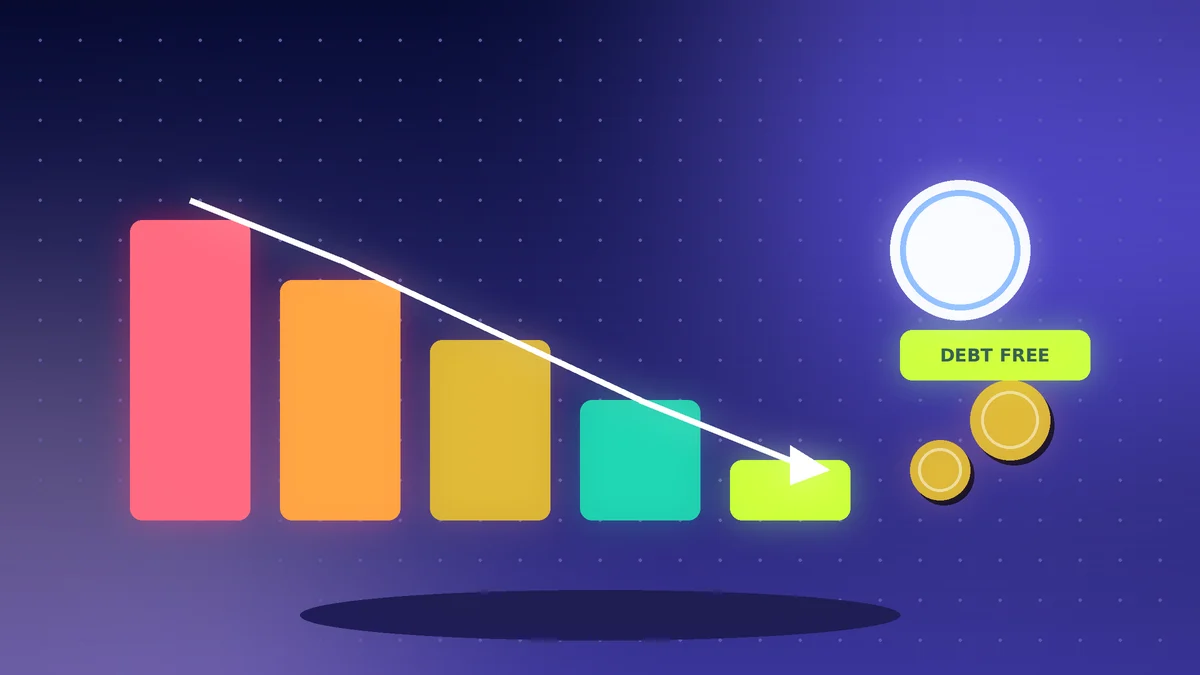
Both methods work if you follow them. The avalanche pays off the debt with the highest interest rate first and usually saves the most money. The snowball pays off the smallest balance first, so you get quick wins that help many people stay motivated. The best plan is the one you will actually keep going with. This is general information, not financial advice.
How Each Method Works
| Method | Order of payoff | Strength | Weakness |
|---|---|---|---|
| Avalanche | Highest interest rate first | Saves the most interest | Early progress can feel slow |
| Snowball | Smallest balance first | Quick wins build momentum | May cost more in interest |
In both methods you pay the minimum on every debt and put all extra money on one target debt. When it is cleared, you add its payment to the next one.
A Simple Example
Imagine three debts: a card at a high interest rate with a medium balance, a small store balance and a larger loan with a lower rate. The avalanche attacks the card first. The snowball clears the small store balance first. If the card interest is much higher, avalanche usually wins on cost, but snowball may feel better in the first months.
Step-by-Step Plan
1. List every debt with the balance, interest rate and minimum payment.
2. Build a small buffer. Even a small emergency fund helps you avoid new debt. See our guide on emergency funds.
3. Choose a method and pick your target debt.
4. Find extra money by trimming spending or earning more, and send it to the target.
5. Automate payments so none are missed.
6. Celebrate and roll forward each time a debt is cleared.
Ways to Speed Up
Ask lenders whether a lower rate is possible, consider moving high-interest card balances to a cheaper loan if the total cost is lower and avoid new borrowing while you repay. Compare options in our guide to personal loans and credit cards.
Avoid Debt Traps
Be careful of unlicensed lenders, loans with hidden fees and companies that promise to wipe out your debt for a fee. If you cannot pay, talk to your lender early. Many have hardship options, and free debt advice services exist in some countries.
Track Your Progress
Use a spreadsheet or app to track balances each month. Our guide on automating personal finance tracking may help. Seeing the total fall is a strong motivator.
Common Mistakes to Avoid
Having no plan, paying only minimums, adding new debt while paying old debt and giving up after a slip are the usual problems. If you miss a month, restart the plan instead of quitting.
Frequently Asked Questions
Should I save or pay debt first? Build a small emergency buffer, then focus on debt. Without a buffer, an emergency can push you back into debt.
Should I include my mortgage? Most people focus first on higher-interest, short-term debts.
Can I switch methods? Yes. If one is not working for you, change and continue.
What if I cannot pay the minimums? Talk to your lenders early and seek free debt advice where available.
Action Checklist
- List all debts with balances, rates and minimum payments
- Build a small emergency buffer
- Choose avalanche or snowball
- Direct all extra money to one target debt
- Automate every minimum payment
- Avoid new debt while you repay
- Review progress monthly and celebrate milestones