
- Base your budget on your lowest typical month, not your best one.
- Pay yourself a steady amount from a buffer account.
- Build a bigger emergency fund than someone with a fixed salary.
The Short Answer
When your income changes each month, a normal monthly budget fails. The fix is to build your budget on your lowest typical income, pay yourself a steady amount from a buffer account and save more in good months to cover the bad ones. This simple system turns an unpredictable income into a predictable one. This is general information, not financial advice.
Step 1: Find Your Baseline
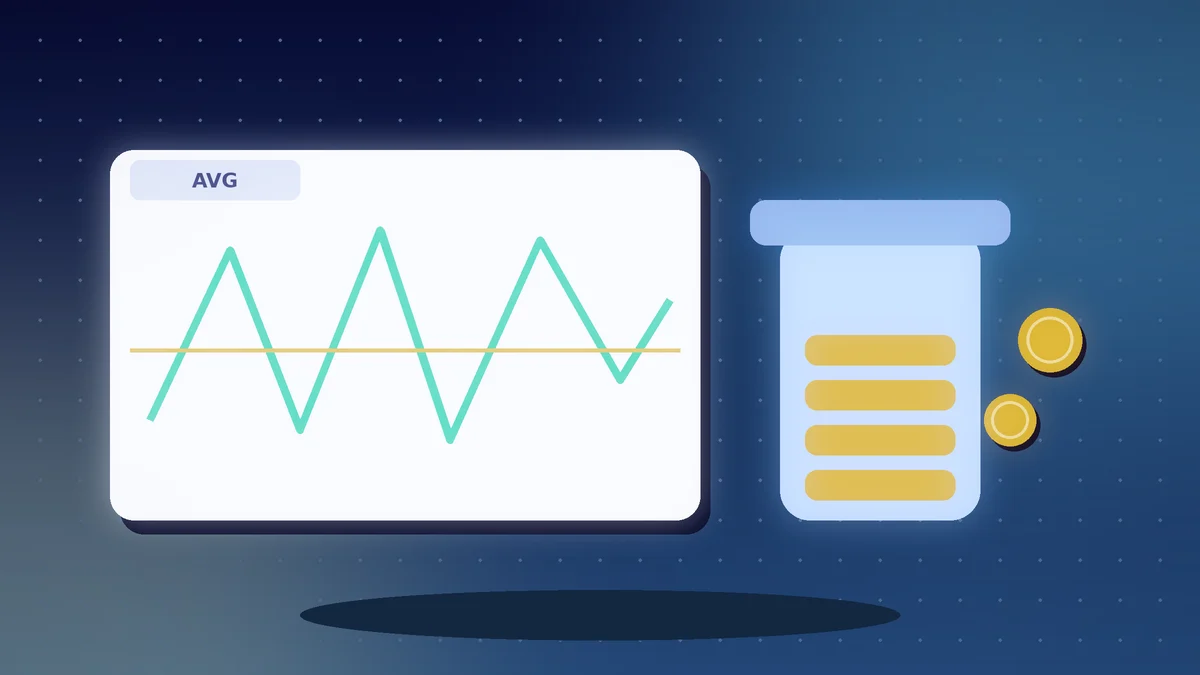
Look at the last 6 to 12 months of income. Find your lowest typical month, or average the months and then lower it for safety. Use that figure for your regular budget. Anything you earn above it goes into savings, debt repayment or your business.
Step 2: List Your Must-Pay Costs
Write down the costs you cannot skip: rent, food, transport, utilities, school fees, loan payments, business costs and insurance. Add up the total. Your baseline must at least cover these. If it does not, you need to raise income or reduce costs.
Step 3: Use a Buffer Account
| Account | Purpose |
|---|---|
| Income account | All payments go here first |
| Buffer account | Holds money from good months to pay your steady “salary” |
| Tax account | Holds money set aside for tax, as in our guide on freelancer tax basics |
| Emergency fund | Larger reserve for real emergencies |
Each time you get paid, divide the money between these accounts using fixed percentages, then pay yourself the same amount each month.
Step 4: Build a Bigger Emergency Fund
People with irregular income usually need a larger emergency fund than people with a fixed salary. Read our guide on how many months to save and consider keeping the money in a safe place such as a high-yield savings account, as in our HYSA guide.
Step 5: Track and Adjust
Check your numbers monthly. A simple spreadsheet or app works. See our guides on spreadsheets and automating personal finance tracking. If your baseline keeps changing, update it every few months.
Reduce Risk
Invoice quickly, ask for deposits and follow up on late payments using our guide on invoicing software. Build several income sources and avoid depending on a single client. Avoid borrowing for everyday costs.
Frequently Asked Questions
What if I earn less than my baseline? Use the buffer account, cut spending temporarily and focus on getting paid faster.
How much should I save in good months? Many people save a large share of the extra, but pick a plan you can keep, and review it regularly.
Should I pay debt or build a buffer first? Build a small buffer first, then follow a repayment plan such as snowball or avalanche.
Do I need separate accounts? They help, but you can start with one account and a simple tracking sheet.
Action Checklist
- Work out your lowest typical monthly income
- List all must-pay monthly costs
- Open a buffer account and a tax account
- Pay yourself a steady monthly amount
- Save extra income in good months
- Build a larger emergency fund
- Review and adjust your budget every month