- Digital products have no stock and no delivery: you make them once and sell them many times.
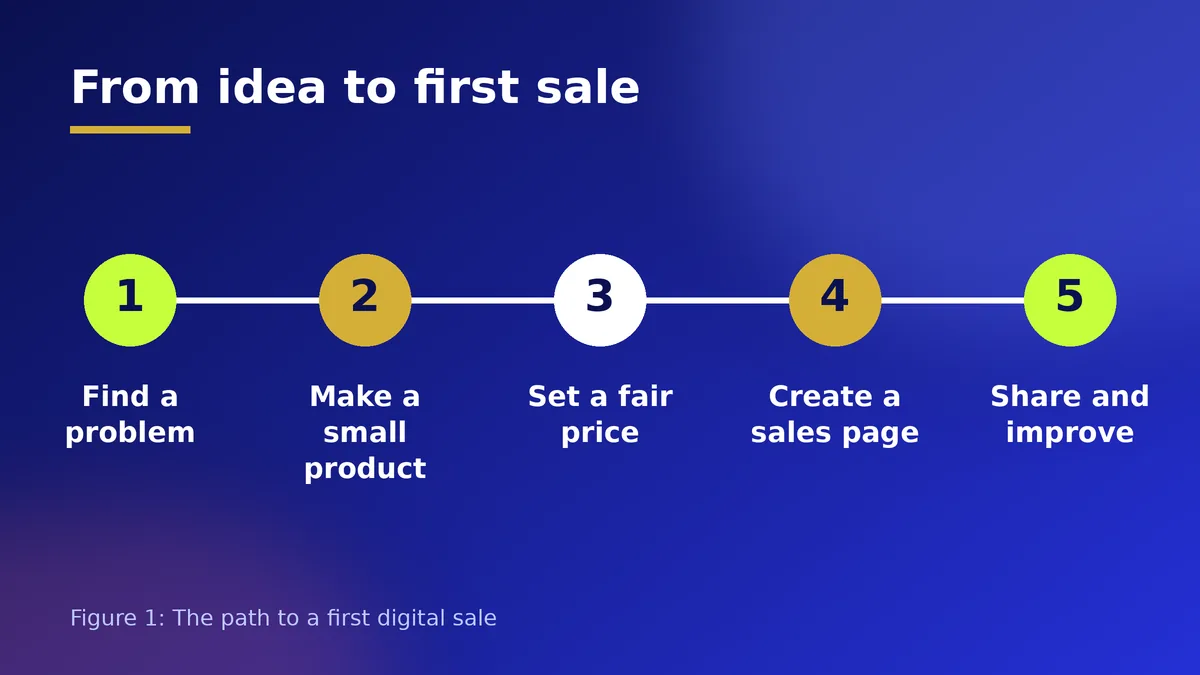
- Solve one small, specific problem for a clear group of people, not everything for everyone.
- Test demand with a simple page and a few early buyers before you spend weeks polishing.
The Short Answer
People happily pay for things that save them time: a spreadsheet that tracks a small shop's profit, a template for a business plan, a lesson plan pack for teachers, a content calendar for artists, a checklist for buying land. You make the product once, then each sale costs you almost nothing to deliver.
It is not instant money. Most products sell slowly at first, and income comes from a good product, a clear audience and steady sharing. But it is one of the lowest-risk ways to earn from what you already know.
What Sells
Products that sell usually save time, reduce risk or teach a skill. Good formats include spreadsheets and budget trackers, document templates, short ebooks and guides, checklists, video lessons, presets and design packs, and small tools or calculators.
Start with a problem you know well because you have lived it: bookkeeping for a small bakery, planning a release for an independent artist, preparing for a job interview. Your own experience is often the best research.
Test Before You Build
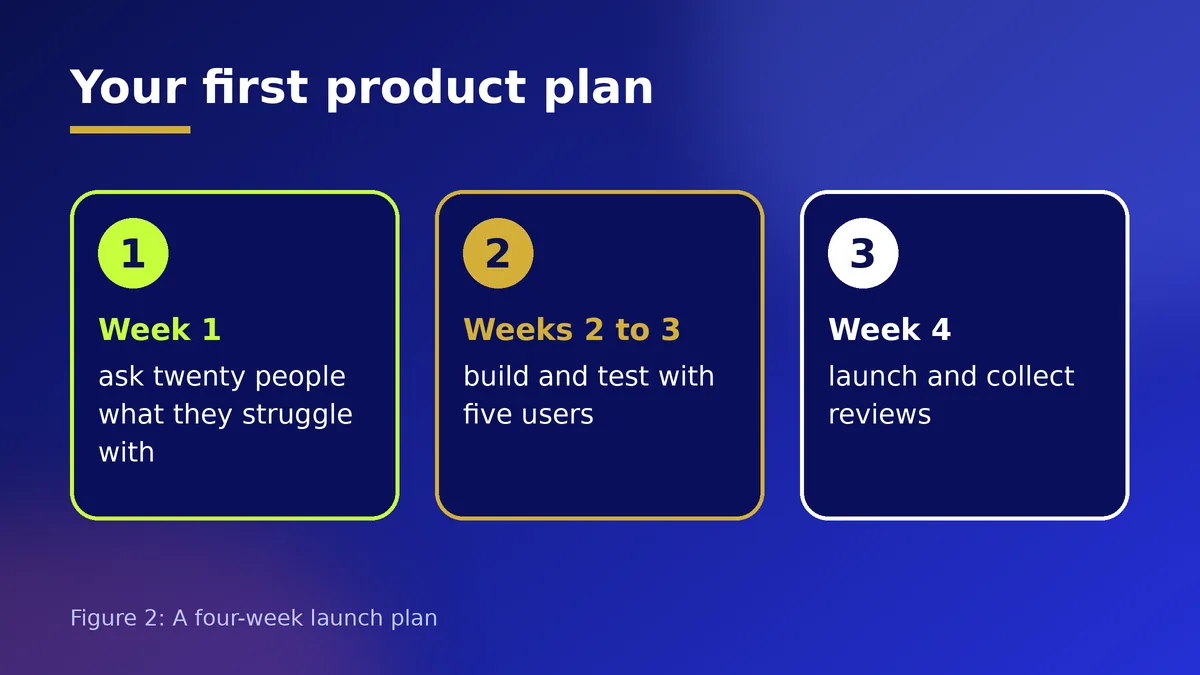
Before you spend weeks, talk to twenty people who have the problem. Ask what they do now and what annoys them. Offer a rough version to five of them for free or at a small price and ask what is missing. If nobody will use or pay for the rough version, change the idea early.
A short sales page with a clear promise, a few screenshots and a price is enough to test interest.
Where to Sell
Platforms such as Selar are made for creators in Africa to sell and deliver digital products, accept local and international payments and manage buyers. Compare fees, payout options and rules on each platform, and read the terms carefully, because they change over time.
Keep your own customer list wherever the platform allows it, so you can tell buyers about updates and new products.
Price and Present Your Product
Price by the value you give, not by the hours you spent. If your template saves a business owner a full day of work every month, a fair price is easy to defend. Offer a short guarantee or a free preview so buyers feel safe.
Write your page in simple words: who it is for, what is inside, what problem it solves and what the buyer can do after using it. Use real screenshots and honest descriptions.
Keep Improving
Reply to every buyer message, collect reviews and update the product as people use it. A product that improves keeps selling. Once one product works, make a companion product, a bundle or an advanced version.
Respect other people's work: use only fonts, images and content you are allowed to sell, and never copy someone else's product.
Action Checklist
- Interview twenty people about one problem
- Build a rough version and test with five users
- Choose a price based on the value you give
- Write a clear one-page sales description
- Compare platform fees and payout rules
- Collect reviews and improve the product
Frequently Asked Questions
What can I sell if I am not an expert?
Share what you have learned by doing, such as a tracker you built for your own shop or a checklist from a project you finished. Solving one small problem well is enough.
How do I price a first product?
Think about the time or money it saves the buyer and price a fair fraction of that. You can start lower to collect reviews, then raise the price as the product improves.
Can anyone copy my product?
Some copying is possible with any digital product. Build trust, keep improving, offer support and update it regularly. Use only content and fonts you have the right to sell.